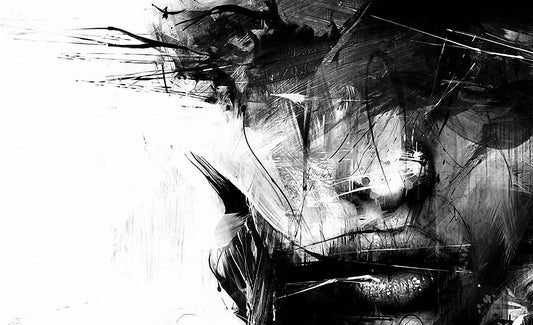
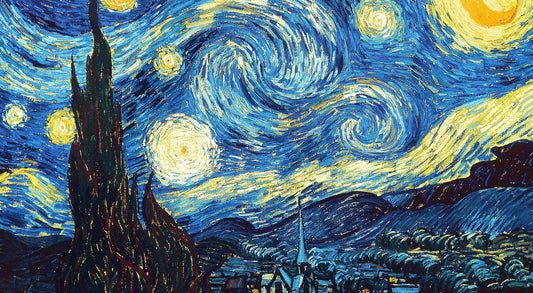
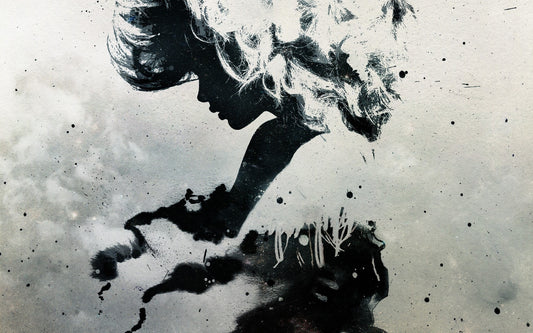
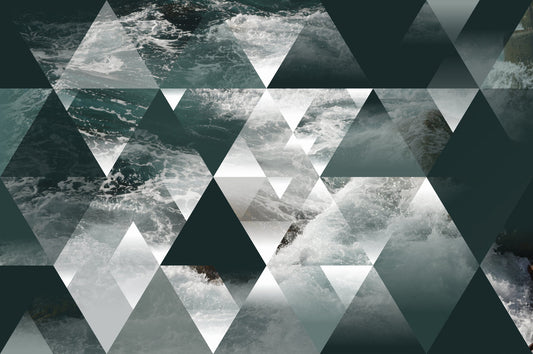
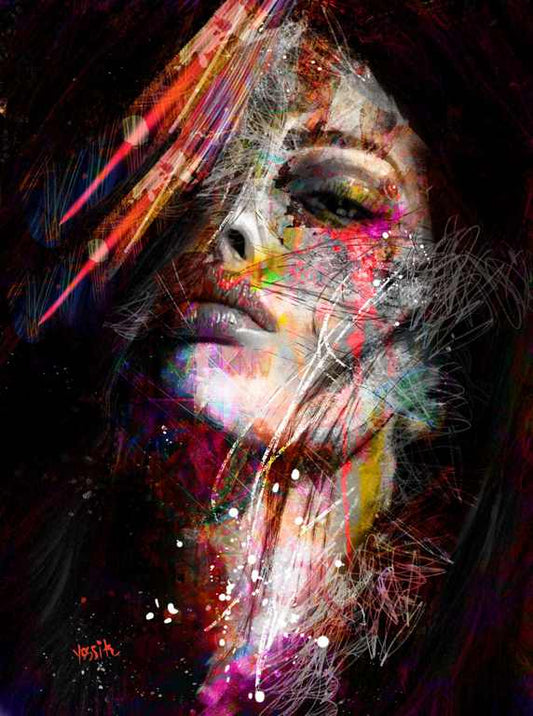
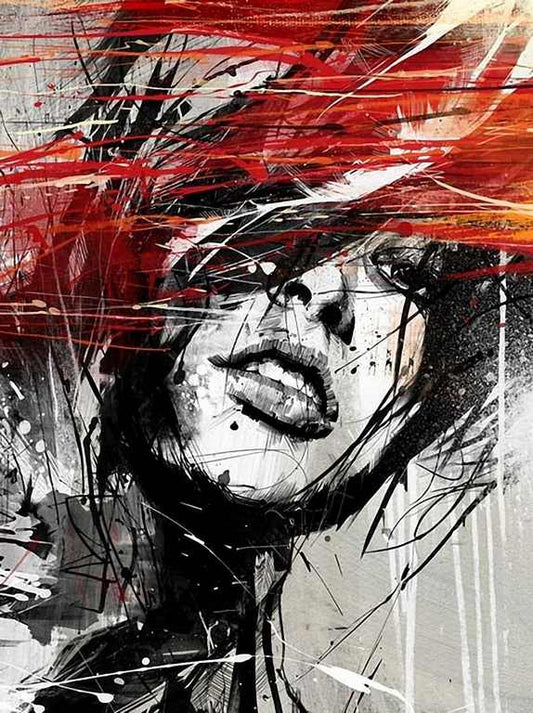
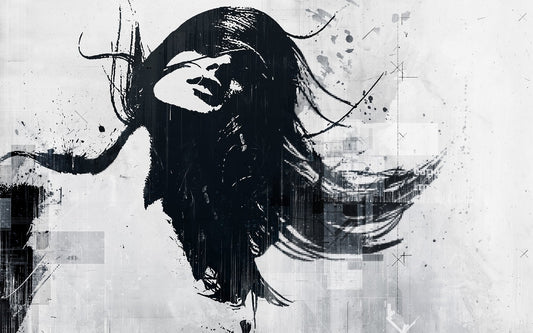
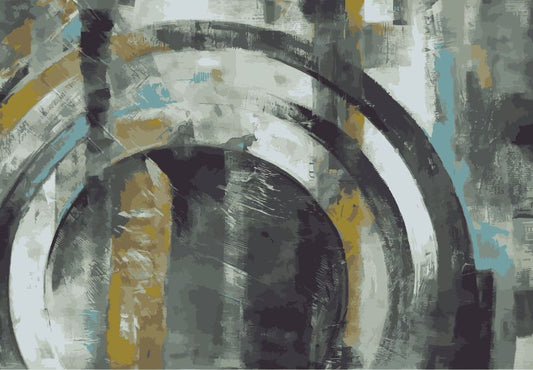
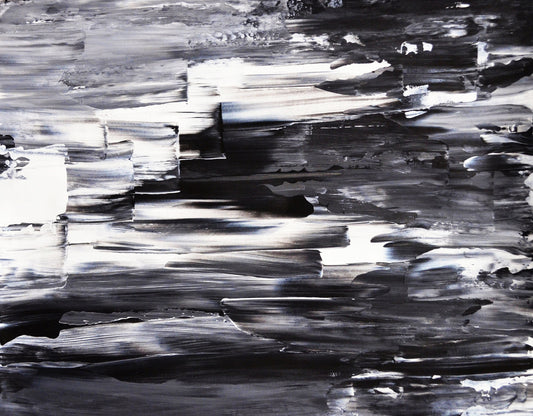
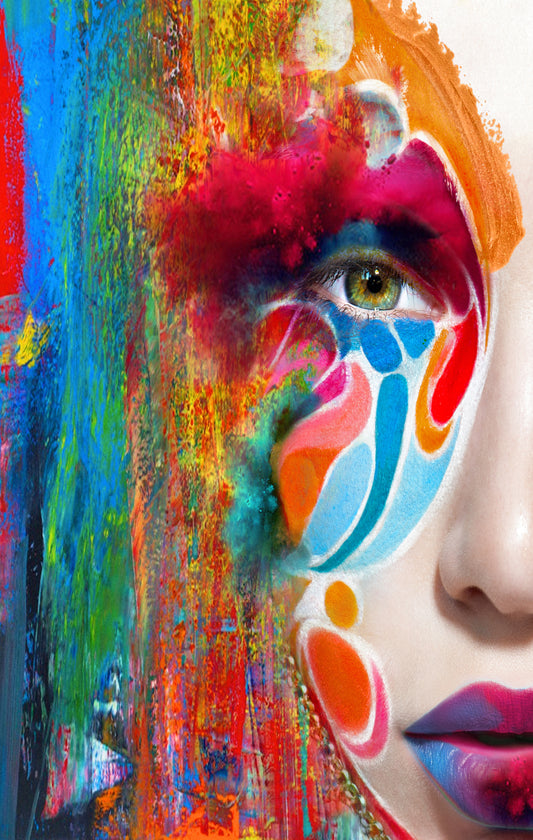
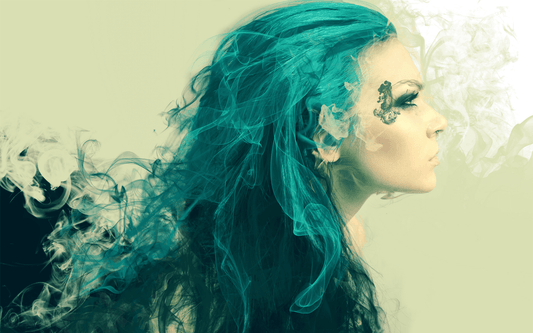
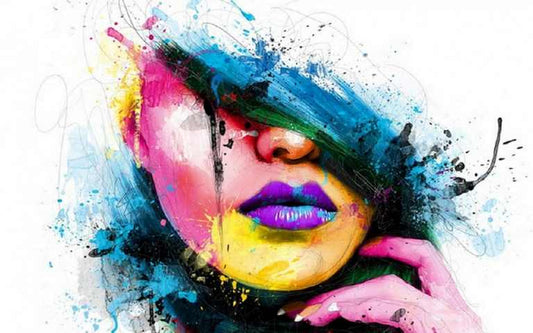
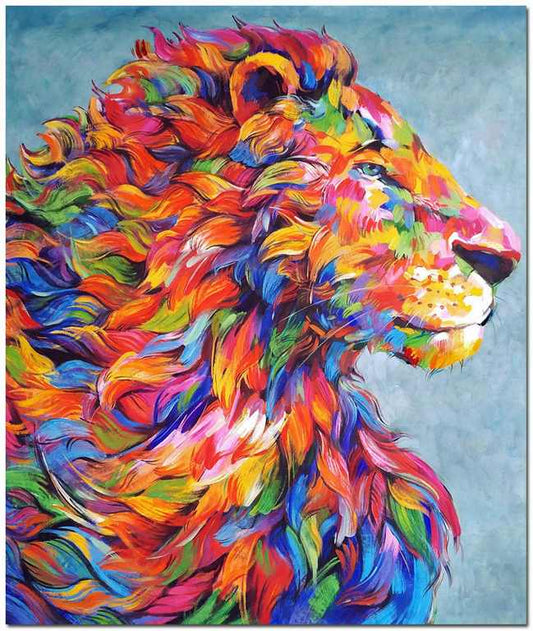
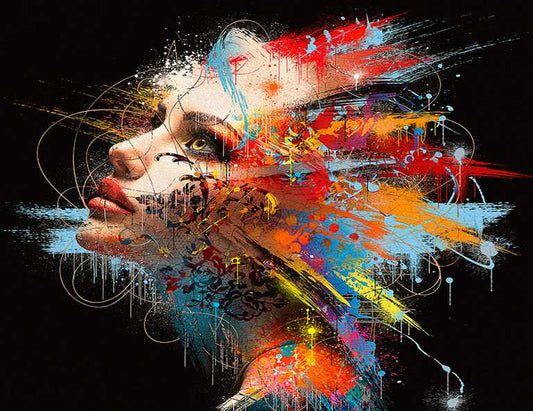
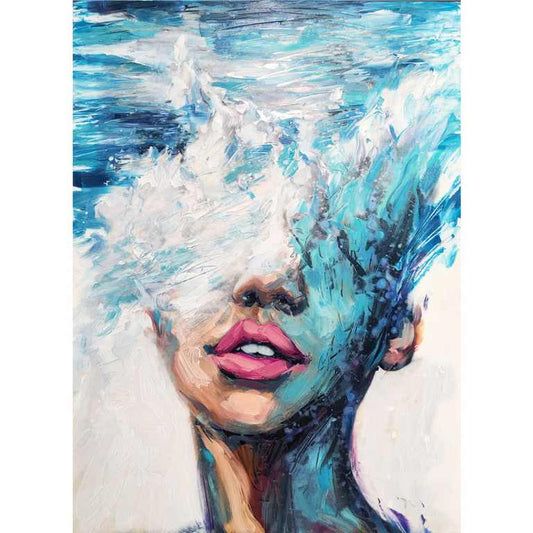
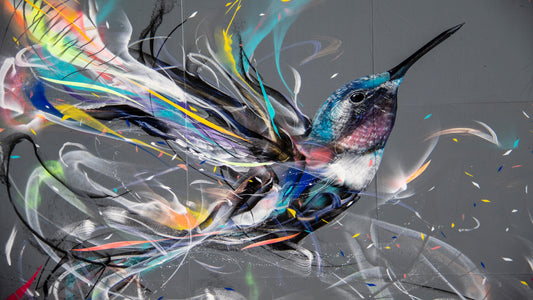
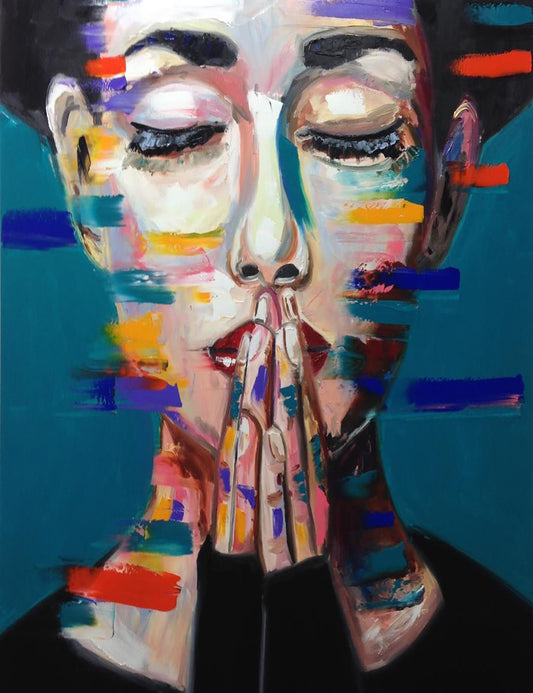
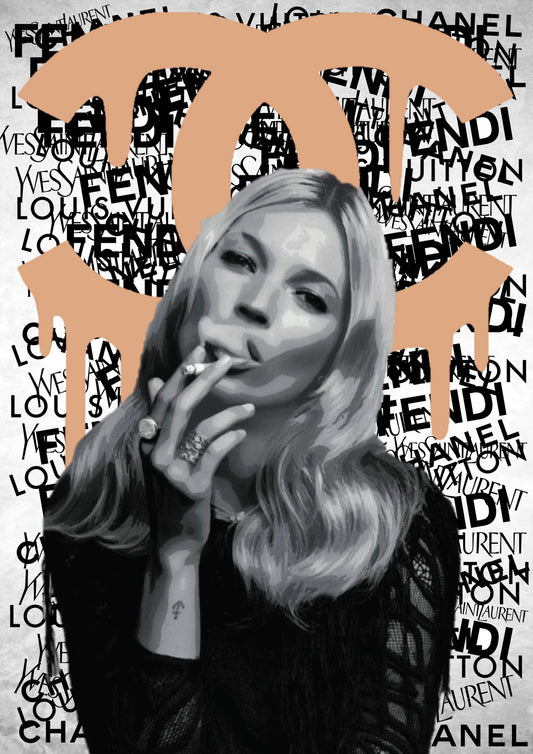
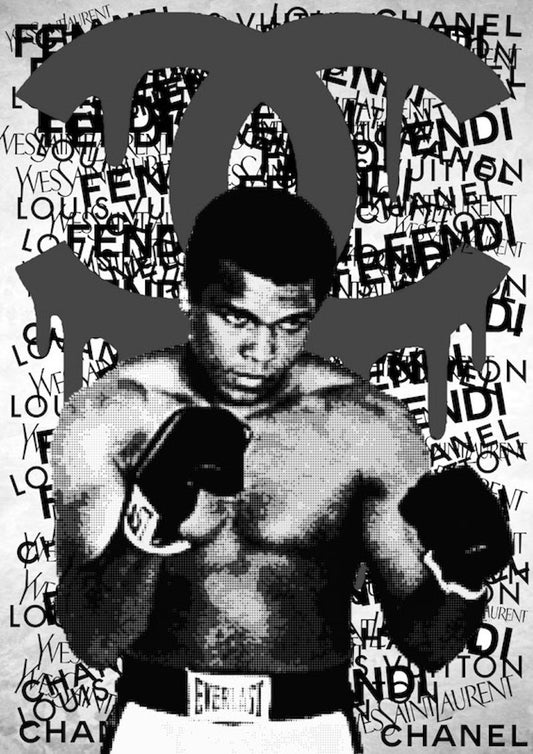
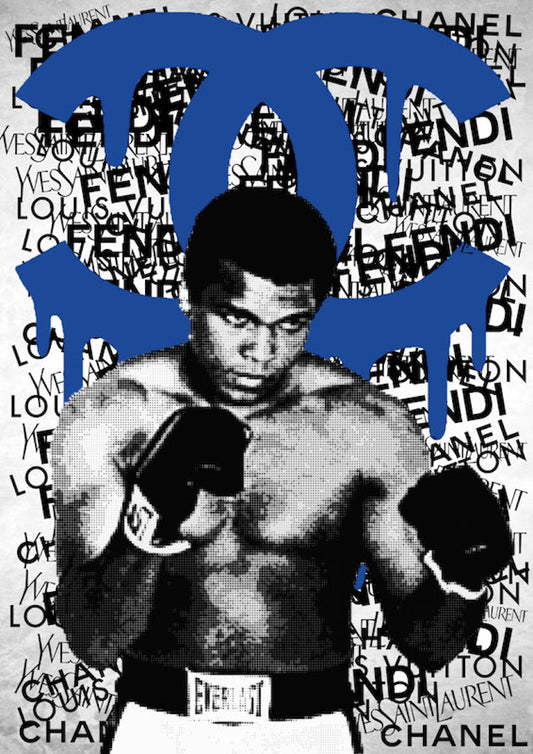
Abstract art is an artistic form of expression that moves away from the depiction of realistic objects and people. Instead of focusing on the visible world, it strives to express emotions, ideas, and concepts through forms, colors, and structures. Throughout history, abstract art has developed many different movements and styles, each carrying its own unique characteristics and messages.
One of the earliest pioneers of abstract art was the Russian painter Wassily Kandinsky. He viewed art as a language that could communicate without words. Kandinsky believed that pure colors and forms had the ability to evoke a deep emotional resonance in the viewer. In his abstract paintings such as "Composition VII" and "Color Study Squares," he used vibrant colors and abstract forms to create a harmonious yet energetic atmosphere.
Another significant artist of abstract art was Piet Mondrian. He developed the style of Neoplasticism, characterized by clear lines, geometric shapes, and primary colors. Mondrian's paintings like "Composition with Red, Yellow and Blue" exude a calm and balanced aesthetic. They demonstrate the harmony found in the reduction to the essential.
In the 1940s, abstract expressionists emerged in the United States. Artists like Jackson Pollock and Mark Rothko revolutionized abstract art with their unique approaches. Pollock developed the technique of action painting, where he splattered and dripped paint onto the canvas as he moved around the picture. His works like "No. 5, 1948" are energetic and convey a certain spontaneity. Rothko, on the other hand, created large-format paintings with intense color fields intended to put the viewer in a meditative state. His works like "Orange and Yellow" exude a spiritual atmosphere.
Abstract art has evolved over time and taken on new forms. Artists like Gerhard Richter have expanded the concept of abstraction by combining photographic and painterly elements in their works. Richter's paintings like "Abstract Painting" show a mixture of blurred and sharp lines, inviting the viewer to explore the boundaries between abstraction and reality.
Abstract art can be interpreted in various ways. One and the same painting can evoke different emotions or thoughts in different viewers. This versatility is part of the fascination of abstract art. It allows the viewer to bring in their own experiences and ideas and establish a personal relationship with the artwork.
Some critics may find abstract art confusing or incomprehensible. They question whether abstract art is art at all. However, abstract art challenges the viewer to question their own perception and embark on a journey of interpretation and reflection. It invites one to detach from conventional ideas and experience the power of pure forms and colors.
Abstract art has undoubtedly had a great influence on the art world and society as a whole. It has opened up new avenues of expression and pushed the boundaries of the conventional. Abstract art has taught us that art does not necessarily have to be the reproduction of the visible world, but that it can also explore a deeper level of human experience.
In a world often characterized by logic and rationality, abstract art offers a way to look at the world differently. It allows us to explore our own emotions and ideas and to connect with something greater. Abstract art reminds us that there doesn't always have to be a clear answer or an unambiguous meaning. It leaves room for interpretation and encourages us to use our imagination.
Overall, abstract art is a fascinating and influential form of expression that expands the boundaries of traditional art. It invites the viewer to bring in their own experiences and ideas and establish an individual connection with the artwork. Although it may not appeal to or be understood by everyone, abstract art offers a way to explore the world in a new and exciting way.
In which rooms do abstract canvas pictures fit well?
An abstract canvas picture can be effective in various rooms, depending on the atmosphere, style, and function of the space. Here are some suggestions where an abstract canvas picture can particularly shine:
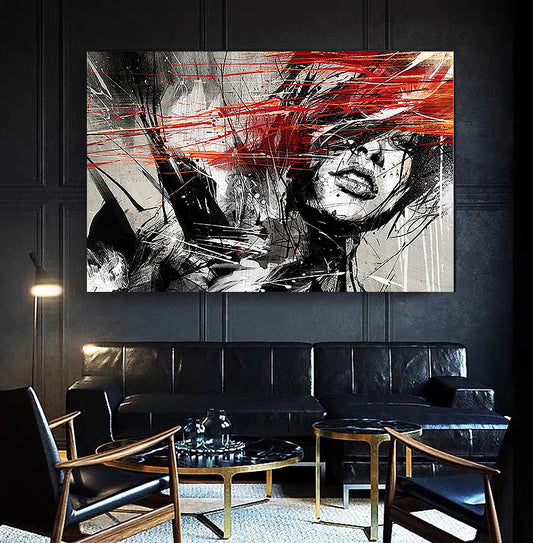
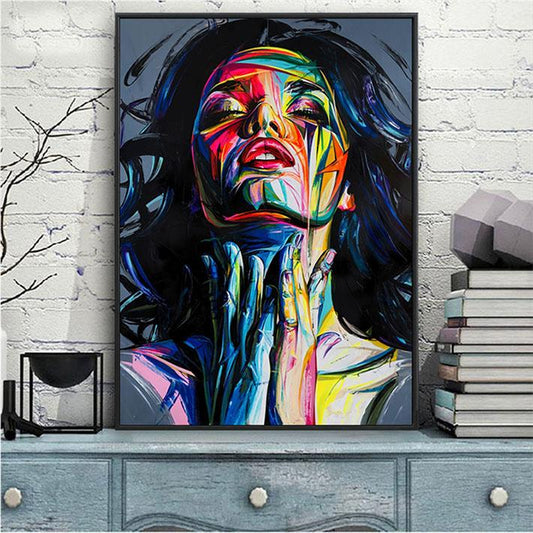
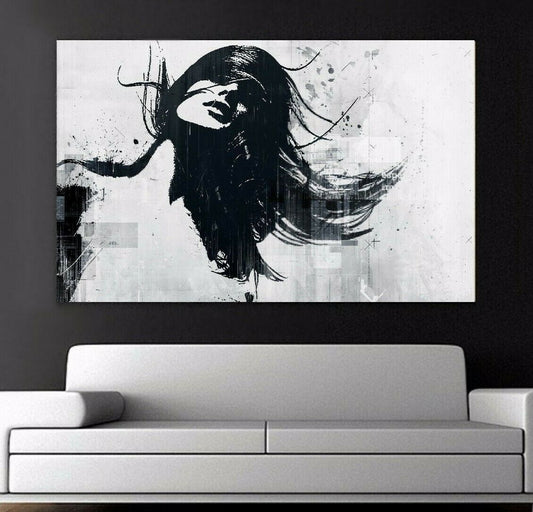
1. Living Room: The living room is a popular place to hang abstract artworks. A large canvas picture above the sofa or fireplace can create a central focal point in the room and enhance the entire atmosphere.
2. Dining Room: In a dining room, an abstract canvas picture can serve as a conversation starter and add an artistic touch. It can enrich the dining experience and provide an interesting visual component.
3. Bedroom: An abstract canvas picture in the bedroom can create a calm and soothing atmosphere. It can serve as a visual element that promotes relaxation and creativity.
4. Office or Study: In a workspace, an abstract canvas picture can foster creativity and inspiration. It can serve as a visual anchor and lighten up the room.
5. Entrance Area or Hallway: An abstract canvas picture in the entrance area or hallway can set the first impression for guests and fill the space with personality and style.
It is important to consider the size of the abstract canvas picture in relation to the room. A large artwork can have a strong visual impact, while smaller works can be effective in a grouping or as part of a gallery wall.
Furthermore, it is important to consider the overall design of the room and personal taste. The colors and styles of the abstract artwork should harmonize with the existing decor and provide a visual contrast or complement.
Ultimately, an abstract canvas picture should be hung in a place where it can best stand out and enrich the room, be it through visual strength, emotional expressiveness, or an inspiring atmosphere.
50 Famous Abstract Artworks:
1. "Composition VIII" - Wassily Kandinsky
2. "No. 5, 1948" - Jackson Pollock
3. "Black Square" - Kazimir Malevich
4. "Broadway Boogie-Woogie" - Piet Mondrian
5. "Homage to the Square" - Josef Albers
6. "Number 1A" - Mark Rothko
7. "Blue Poles" - Jackson Pollock
8. "Les Demoiselles d'Avignon" - Pablo Picasso
9. "Composition with Red, Blue, and Yellow" - Piet Mondrian
10. "Red, Yellow, Blue" - Wassily Kandinsky
11. "Number 31" - Jackson Pollock
12. "Yellow-Red-Blue" - Wassily Kandinsky
13. "Number 14" - Mark Rothko
14. "White Center (Yellow, Pink and Lavender on Rose)" - Mark Rothko
15. "Composition VI" - Wassily Kandinsky
16. "Composition 7" - Piet Mondrian
17. "Yellow Band" - Ellsworth Kelly
18. "Number 8" - Jackson Pollock
19. "Composition No. 10" - Piet Mondrian
20. "Number 3/No. 13 (Magenta, Black, Green on Orange)" - Mark Rothko
21. "Composition in Red, Yellow, and Blue" - Piet Mondrian
22. "Number 11" - Mark Rothko
23. "Convergence" - Jackson Pollock
24. "Composition No. 2" - Piet Mondrian
25. "Number 5" - Jackson Pollock
26. "Black on Grey" - Mark Rothko
27. "Composition VII" - Wassily Kandinsky
28. "Number 2, Green, Red, Blue" - Mark Rothko
29. "Composition 8" - Theo van Doesburg
30. "Number 16" - Mark Rothko
31. "No. 14" - Mark Rothko
32. "Composition No. 1" - Piet Mondrian
33. "Number 4" - Jackson Pollock
34. "Color Study, Squares with Concentric Circles" - Wassily Kandinsky
35. "Number 10" - Mark Rothko
36. "Composition in White, Black, and Red" - Piet Mondrian
37. "Number 1949" - Jackson Pollock
38. "Composition X" - Wassily Kandinsky
39. "Number 30" - Jackson Pollock
40. "Composition No. 3" - Piet Mondrian
41. "Number 29" - Jackson Pollock
42. "Composition in Blue, Red, Yellow, and Black" - Piet Mondrian
43. "Number 27" - Jackson Pollock
44. "Composition V" - Wassily Kandinsky
45. "Number 32" - Jackson Pollock
46. "Composition 6" - Theo van Doesburg
47. "Number 28" - Jackson Pollock
48. "Composition in Oval with Color Planes 1" - Piet Mondrian
49. "Number 25" - Jackson Pollock
50. "Composition 10 in Black and White" - Piet Mondrian